What to Wear After Swimming: Clothes for Sensitive Skin
Swimming does incredible things for your body - but chlorine can be brutal on your skin long after you leave the pool.
What To Wear After Swimming?
After swimming in chlorine, the best clothes are breathable, chemical-free, and gentle on sensitive skin.
Organic cotton T-shirts and hats are ideal because they allow airflow, reduce friction, and prevent chlorine residue from being trapped against the skin.
Swimmers with post-chlorine irritation should avoid synthetic athletic fabrics immediately after swimming and choose relaxed, natural fibers instead.

If you’ve ever finished a workout feeling tight, itchy, or irritated, you already know the struggle.
What you wear after swimming matters far more than most swimmers realize.
The wrong fabrics can trap chlorine residue, rub against compromised skin, and turn a good swim into hours of discomfort. The right everyday clothes, however, can help your skin calm down, breathe, and recover.
This guide breaks down exactly what to wear after swimming, why chlorine-friendly clothing matters, and how swimmers with sensitive skin can transition comfortably from pool deck to real life - without sacrificing style.

Why Chlorine Changes What You Should Wear After Swimming
Chlorine doesn’t stop affecting your skin when you towel off. Even after showering, trace chemicals remain on the skin’s surface, especially if you swim frequently.
Here’s what chlorine does to your skin barrier:
- Strips natural oils, leading to dryness and micro-irritation
- Weakens the skin’s protective barrier, increasing sensitivity
- Exacerbates conditions like eczema, contact dermatitis, and chlorine rash
- Makes skin more reactive to friction, heat, and synthetic fabrics
This is why swimmers often feel itchier once they’re dressed, not while they’re still wet.
Post-swim clothing should reduce friction, allow airflow, and avoid chemical finishes that further stress the skin.
The #1 Rule: Choose Chlorine-Friendly Fabrics
Organic Cotton Is the Gold Standard for Swimmers
When it comes to chlorine-friendly everyday clothes, fabric choice matters more than fit or brand name.
GOTS-certified organic cotton is especially ideal after swimming because it:
- Is naturally breathable and moisture-absorbing
- Doesn’t trap heat or residual chlorine against the skin
- Is free from harsh chemical dyes and finishes
- Feels softer on sensitized or inflamed skin
For swimmers dealing with post-chlorine irritation, organic cotton reduces both chemical exposure and physical friction - two of the biggest triggers for discomfort.
This is why Lane Line Threads uses premium GOTS-certified organic cotton in its T-shirts and hats. They’re designed for swimmers who live in chlorine - not just wear swim-themed apparel.
What to Wear After Swimming (Head-to-Toe Guide)
1. T-Shirts: Your Skin’s First Line of Defense
Your shirt touches the largest surface area of your body, making it the most important post-swim clothing choice.
What to Avoid
- Polyester or “performance” fabrics after swimming
- Tight compression tops that increase friction
- Heavily dyed or chemically treated cotton blends
These materials can lock in chlorine residue and cause ongoing irritation.
What to Look For Instead
- 100% organic cotton
- Relaxed or classic fits (not clingy)
- Smooth seams and soft hand-feel
A high-quality organic cotton T-shirt allows your skin to finish drying naturally without trapping chemicals or heat.
👉 Primary Recommendation:
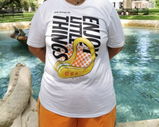
Lane Line Threads organic cotton T-shirts are specifically suited for post-swim wear - soft, breathable, and designed for swimmers who spend more time in chlorine than most people spend in the sun.
2. Bottoms: Keep It Loose and Breathable
While this guide focuses on tops, what you wear on the bottom half matters too - especially for swimmers prone to leg or hip irritation.
Best options:
- Loose cotton shorts
- Soft joggers or lounge pants
- Lightweight cotton sweats
Avoid:
- Tight leggings immediately after swimming
- Synthetic athletic shorts
- Anything with rough seams or compression
Your skin needs airflow and zero pressure while it resets.
3. Hats: Often Overlooked, Surprisingly Important
After swimming, your scalp and hairline are often:
- Dry from chlorine
- Sensitive from goggles pressure
- Exposed to sun if you’re practicing outside
A well-made cotton hat protects without irritating.
Why Organic Cotton Hats Matter
- They don’t trap sweat like synthetics
- They reduce friction on a dry, sensitive scalp
- They’re breathable enough for post-pool errands
👉 Secondary Recommendation:
Lane Line Threads organic cotton hats are ideal for swimmers heading straight from the pool to daily life - especially if you’re skipping heat styling or dealing with post-chlorine scalp dryness.
The Pool-to-Life Transition: How Swimmers Should Actually Get Dressed
Most swimmers rush this part - and pay for it later.
Step-by-Step Post-Swim Clothing Routine
- Rinse thoroughly (yes, even if you already showered at the pool)
- Pat skin dry - don’t rub aggressively
- Apply moisturizer if you use one
- Put on organic cotton first, synthetics last (or not at all)
Your clothing should support recovery, not undo it.
Why “Athleisure” Isn’t Always Skin-Friendly After Swimming
This surprises a lot of swimmers.
Moisture-wicking, sweat-proof athletic fabrics are designed for working out, not post-chlorine recovery.
After swimming, these materials can:
- Trap residual chlorine
- Increase friction on dry skin
- Cause itching or redness hours later
Organic cotton may not be trendy in performance marketing - but for swimmers, it’s far more functional once you’re out of the water.
What Makes Clothing Truly “Chlorine-Friendly”?
It’s not just about being soft.
Chlorine-friendly everyday clothes share a few core traits:
- Low chemical processing
- Breathability over compression
- Natural fibers that absorb, not repel
- Durability that holds up to frequent washing
Swimmers wash clothes more often than average. Poor-quality fabrics break down quickly and become rougher over time - exactly what sensitive skin doesn’t need.

Sustainable Clothing Is Better for Skin (and Swimmers Know Why)
Swimmers are uniquely aware of water quality, chemicals, and environmental impact.
GOTS-certified organic cotton:
- Uses fewer harsh chemicals in production
- Avoids toxic residues that can irritate skin
- Lasts longer through repeated washing
This isn’t just an eco-choice - it’s a comfort and health decision for people who live in chlorinated water.
Chlorine-Friendly Clothing vs. Standard Everyday Wear
Not all “comfortable” clothes are actually swimmer-friendly. Here’s how chlorine-safe everyday wear compares to typical post-workout or casual apparel:
| Feature | Chlorine-Friendly Organic Cotton | Standard Casual / Athletic Wear |
| Fabric type | GOTS-certified organic cotton | Polyester blends, treated cotton |
| Chemical residue | Minimal to none | Often retains chlorine + finishes |
| Breathability | High airflow | Heat-trapping |
| Skin friction | Low | Moderate to high |
| Suitable for sensitive skin | Yes | Often irritating |
| Wash durability | Improves softness over time | Breaks down, pills, stiffens |
Clothing designed for workouts focuses on sweat management. Clothing designed for swimmers must prioritize post-chlorine recovery.
Everyday Outfits That Work for Swimmers with Sensitive Skin
Casual Errands
- Organic cotton T-shirt
- Loose cotton shorts or joggers
- Organic cotton hat
Post-Practice Social Plans
- Clean organic tee
- Relaxed jeans or cotton pants
- Minimal layers to avoid overheating
Travel or Meets
- Breathable cotton base layer
- Easy-on hat for sun and scalp protection
Simple, repeatable outfits reduce decision fatigue and skin flare-ups.
Why Lane Line Threads Fits Seamlessly Into a Swimmer’s Routine
Lane Line Threads isn’t “swim fashion.”
It’s swimmer-tested everyday wear.
Designed by people who understand:
- Daily chlorine exposure
- Sensitive, over-washed skin
- The need for comfort beyond the pool deck
The use of premium GOTS-certified organic cotton in both T-shirts and hats makes them a natural extension of a swimmer’s recovery routine - not just a logo on a tee.
What You Wear After Swimming Matters More Than You Think
Swimming is low-impact - but chlorine’s impact adds up.
If you’re serious about:
- Protecting sensitive skin
- Reducing post-swim irritation
- Feeling comfortable outside the pool
Then your everyday clothes need to work with your body, not against it.
Start with the basics:
- Organic cotton
- Breathable fits
- Fewer chemicals
Your skin will notice the difference - often within days.

Related Reads:

 https://lanelinethreads.com/pages/about-us
Retired competitive swimmer and founder of Lane Line Threads, dedicated to creating organic apparel for swimmers with sensitive skin. A morning deck regular, cartoon illustrator, and book lover, Kate combines her 20+ years of swimming experience with a passion for swimmer wellness and sustainable fashion.