

Daily Wear for Swimmers: Transition Outfits & Pool Deck Style
Daily wear for swimmers goes beyond the swimsuit. Discover the best transition outfits, moisture-wicking fabrics, and casual gear for a comfortable lifestyle.
I spent most of my life in a swimsuit and still do it every morning.
As you may already know, I was born and raised in Russia and took up sports in the late 1980s. We didn't have many clothing options back then, and I eventually developed post‑chlorine dermatitis.
So, if you’d asked teenage-me what swimmers wear outside the pool, I would have said, “Whatever’s clean and doesn’t itch.”
Now, as a retired swimmer with permanently chlorine-irritated skin, I can confirm that answer wasn’t wrong - it was just incomplete.
Swimmers don’t stop being swimmers when practice ends.
We carry the sport into how we dress, what fabrics we tolerate, and what we absolutely refuse to put on our bodies ever again.
What swimmers wear when they’re not training isn’t random.
It’s a lifestyle shaped by sensitive skin, sore shoulders, and a deep appreciation for comfort that doesn’t look sloppy.
This is a real look at what swimmers actually wear off deck - and why.

The One Thing All Swimmers Agree On: Comfort Comes First
Swimmers are not “fashion first” people.
We’re function-first, always.
When you spend hours grinding through sets, your tolerance for scratchy seams, stiff fabrics, and restrictive fits disappears.
What swimmers want from everyday clothing:
- Soft fabrics that don’t irritate chlorine-damaged skin
- Breathable materials that don’t trap sweat
- Relaxed fits that allow shoulder mobility
- Clothing that feels broken-in, not brand new and stiff
That’s why most swimmers gravitate toward well-made T-shirts, worn-in hoodies, and simple hats.
These pieces don’t demand attention - but they quietly do their job.
T-Shirts: The Everyday Uniform Swimmers Actually Wear
If swimmers had a civilian uniform, it would be a T-shirt.
After years of tight tech suits and compressed shoulders, swimmers want shirts that breathe, stretch, and never itch.
That’s not a trend - it’s a survival instinct.

Why Swimmers Are Picky About T-Shirts
Chlorine doesn’t just dry out skin. It breaks it down.
To find out how chlorine exactly affects swimmers' skin and what to do after the pool - read here.
Retired swimmers often deal with:
- Chronic dryness
- Sensitivity to rough fabrics
- Post-chlorine dermatitis or eczema
- Heat sensitivity
So, when a swimmer finds a T-shirt that works, they buy multiples. Me too!
The best everyday T-shirts for swimmers share a few traits:
- Soft, smooth fibers (no sandpaper cotton)
- Lightweight but not flimsy
- No stiff tags or thick seams
- Enough stretch to move naturally
This is exactly why Lane Line Threads T-shirts resonate with swimmers.
They’re designed with chlorine-tired skin in mind - comfortable enough to live in, durable enough to hold up, and subtle enough to wear anywhere.
For swimmers, a T-shirt isn’t a fashion statement. It’s a quality-of-life decision.

Hoodies: Because Swimmers Are Always Cold
If you know swimmers, you know this truth: we are always cold.
Cold pools, early mornings, and years of hopping out of the water leave swimmers with permanently confused body temperature regulation.
Retirement didn’t make it disappear, but now I can spend half an hour in the steam room pretending to be a dead dog after practice.

What Swimmers Look for in Hoodies
Swimmers don’t want bulky, stiff hoodies. We want warmth without weight.
The ideal hoodie for a swimmer:
- Soft interior that doesn’t rub irritated skin
- Flexible fabric that doesn’t restrict shoulders
- Breathable enough to wear year-round
- Easy to throw on after a shower or practice
That’s why hoodies remain mine staple long after swim careers end.
Whether it’s a morning walk, errands, or post-gym lounging, hoodies are comfort armor.
Lane Line Threads hoodies are built for exactly this use case - designed to feel good on skin that’s already been through enough.
Hats: The Most Underrated Swimmer Accessory
Swimmers wear hats for reasons non-swimmers don’t always understand.
Yes, they’re practical. But they’re also personal.
Why Swimmers Love Hats
- Chlorine wrecks hair - hats hide the damage
- Early mornings = zero interest in styling
- Sun protection matters after years of outdoor pools
- Hats are effortless identity markers
A good hat finishes an outfit without effort.
It says, “I’m relaxed, not lazy.”
For swimmers used to caps and goggles, a hat feels familiar - something you throw on and go.
Swimmers gravitate toward hats that are:
- Lightweight
- Breathable
- Neutral enough to wear anywhere
It’s why simple, clean designs outperform flashy logos in swimmer circles.

Why Swimmers Avoid “Trendy” Clothing
This is where swimmers diverge from mainstream fashion.
To know more about why swimmers' skin need different clothing than everyone else - read here.
Trendy clothing often means:
- Synthetic fabrics that trap heat
- Stiff seams and decorative stitching
- Tight fits with zero functional purpose
Swimmers don’t care how something looks on a hanger.
We care how it feels after an hour on our body.
If clothing pinches, overheats, or irritates skin - even slightly - it’s gone. Permanently. At least for me.
This is why swimmer wardrobes tend to be:
- Small
- Repeat-heavy
- High rotation
We don’t need dozens of outfits.
We need a few reliable ones that feel good every time.

Swimmers Dress for Real Life, Not the Internet
One thing I’ve noticed since retiring: swimmers don’t dress for social media. We dress for reality.
That means:
- Clothes that work for errands, travel, and downtime
- Pieces that transition easily from gym to coffee
- Styles that don’t scream “athleisure,” but still feel athletic
Lane Line Threads hits this balance well.
The designs nod to swimmer identity without turning you into a walking billboard.
That matters - especially for swimmers who want to stay connected to the sport without living in team gear forever.

What Retired Swimmers Wear (According to Actual Retired Swimmers)
Here’s the honest breakdown of what ends up on repeat:
Daily staples:
- Soft organic T-shirts (multiple colors, same fit) Yes, all of my tees are organic because of my chlorine‑induced dermatitis.
- Lightweight hoodies
- Neutral hats
- Comfortable shorts or joggers (You should see my face when it's time to wear pants. I hate pants and everything except joggers :)
What gets phased out fast:
- Stiff denim
- Heavy sweaters
- Scratchy fabrics
- Anything labeled “slim fit”
Comfort doesn’t mean sloppy. It means intentional.

Why Fabric Matters More After Swimming Than Before
Here’s something non-swimmers rarely understand: chlorine damage doesn’t stop when you stop swimming.
Years later, skin can still react faster and harder to poor materials. That’s why swimmers become accidental fabric experts.
Good fabric:
- Reduces irritation
- Regulates temperature
- Feels consistent over time
Bad fabric:
- Triggers itching
- Traps heat
- Gets worn once and abandoned
That’s why swimmer-built brands matter.
Lane Line Threads doesn’t design for runway moments - it designs for people who’ve lived in water and need clothing that respects that.
Swimmers Wear What Feels Right
When swimmers aren’t training, they’re still recovering (I bet that yours is munching right now) - from the sport, from chlorine, from early mornings, from years of pushing their bodies.
So what do swimmers wear?
They wear:
- T-shirts that don’t fight their skin
- Hoodies that feel safe and familiar
- Hats that simplify life
- Clothing that lets them move freely
They wear pieces that understand where they’ve been.
That’s why Lane Line Threads works - not because it’s loud or trendy, but because it feels right to people who’ve earned their comfort.
And once you’ve lived life between the lanes, that matters more than anything.

 https://lanelinethreads.com/pages/about-us
Retired competitive swimmer and founder of Lane Line Threads, dedicated to creating organic apparel for swimmers with sensitive skin. A morning deck regular, cartoon illustrator, and book lover, Kate combines her 20+ years of swimming experience with a passion for swimmer wellness and sustainable fashion.
Let customers speak for us

My daughter has sensitive skin and hated changing post practice. Now she asks to buy her another ‘soft tee’. Game-changer.

I’ve had eczema flare-ups after 20+ years of pool time. This tee is the only thing that doesn’t itch. I wear it every single practice.

Absolutely love my cap! It comes a little bit bigger, then I expected, but I adjusted and now it is my practice to-go. It is soft, light and I barely noticed it on my head.

Love my shirt! It really stands out from my other shirts. Every time I pull it on over my swimsuit I get compliments from my teammates.
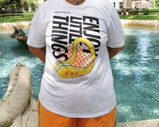
Very impressed with the quality of this shirt! The fabric is soft and light! Now I'm thinking about whether I should use it to go out instead of using it as just a training shirt :D Delivery and everything were smooth and fast. Thank you!
In overall great cap and experience :) It runs a little bit big, so if you have a small head like mine, consider to get a bucket hat instead maybe. Delivery took about a four days, but for slow fashion it is reasonable.


