Eco-friendly trunks - because dolphins are watching!


Lane Line Threads
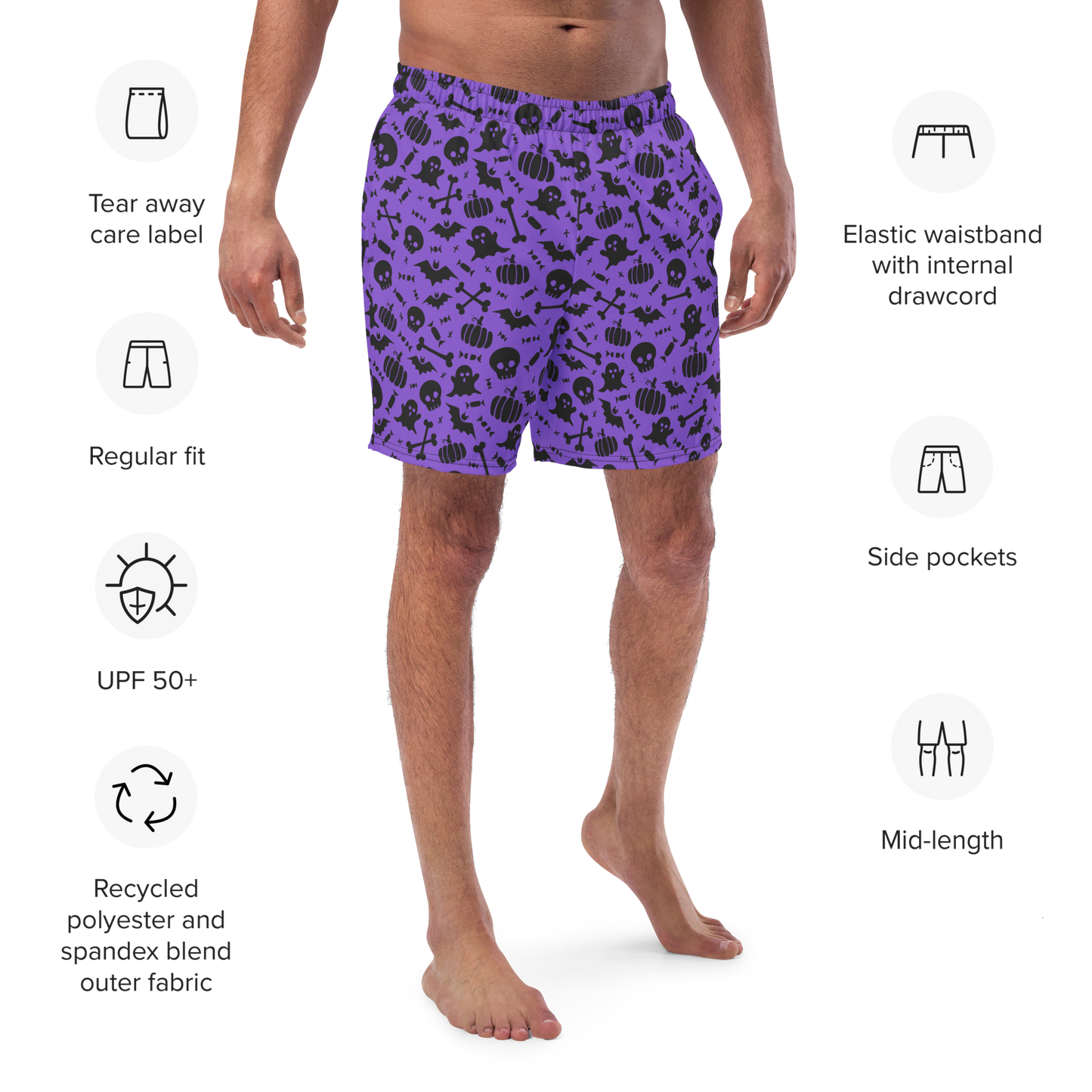
Recycled Swim Trunks Skulls and Bones
Recycled Swim Trunks Skulls and Bones
Trunks softer than your coach’s whistle
Product Details
Product Details
No more chafing or sweating. Just you and the water.
- Fabric composition: 91% recycled polyester, 9% spandex
- Lining composition: 92% polyester, 8% spandex (in the US), and 90% polyester, 10% elastane (in the EU)
- Four-way stretch water-repellent microfiber fabric
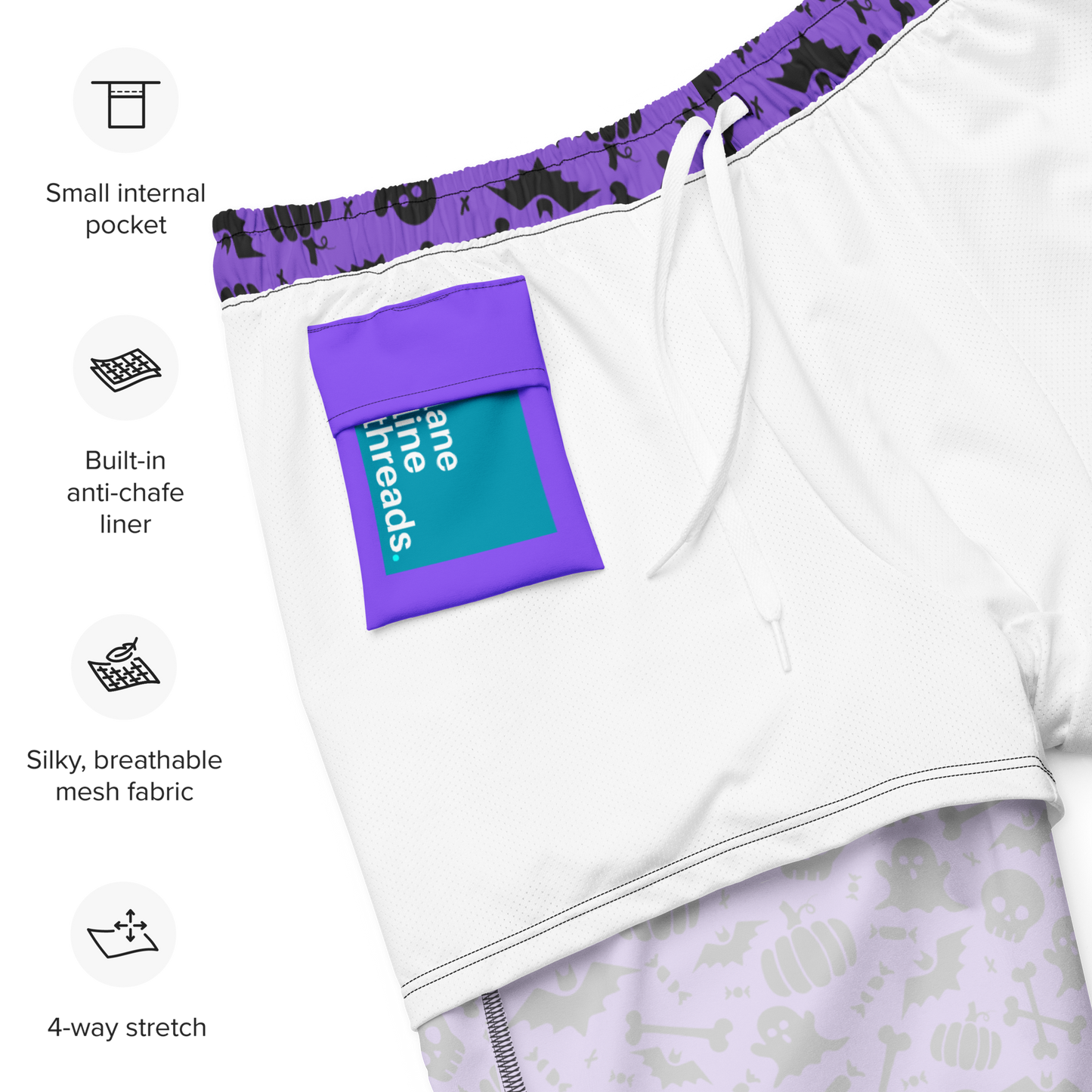
- Anti-chafe mesh inner liner
- Elastic waistband with drawcord
- Mesh pockets
- Small inside pocket for valuables
- UPF 50+ protection
- The fabric is OEKO-TEX 100 standard certified
- The recycled content of this product is certified under GRS (Global Recycled Standard)
Care:
To make your trunks last longer, wash them thoroughly after each use, that way removing any salt/chlorine residue.
We recommend washing the swim trunks with similar color clothing and not wringing the garment.
Shipping & Returns
Shipping & Returns
🚚 Shipping
We ship every order with care, using the most eco-friendly materials available in each region. Read our full shipping policy.
- Shipping: Free U.S. shipping on all orders. We use USPS First Class or Priority Mail depending on weight. Orders typically processed and ship within 3 - 7 business days.
- Delivery Time: Most packages arrive within 3- 7 business days after we send them for shipping. You’ll get tracking info as soon as your order leaves our hands.
♻️ Returns & Exchanges
We accept returns within 60 days of delivery - Read our full return and refund policy.
You cover return shipping unless the item was damaged or incorrect.
Refunds are processed within 10 business days of receiving your return.
Because we’re committed to reducing waste, we don't cover shipping costs.
Every extra shipment means more packaging, more emissions, and more impact - and that’s not our style.
Need help choosing the right size or style? Just reach out before you order - we’re happy to help you find your perfect fit before you dive in.
♻️ Exchanges
The quickest way to get the item you want is to return the one you have. Once your return is accepted, you can place a new order for the replacement item.
We appreciate you sharing our values and helping us make a difference.
Couldn't load pickup availability
- From plastic bottles to your wardrobe
- 60‑Day Money Back Guarantee
- Free USA shipping on all orders



Trunks softer than your coach’s whistle
Four-way stretch water-repellent microfiber fabric
No rash or sweating in sensitive spots.
Designed for performance and long summer days, these trunks are made from 91% recycled polyester with a touch of spandex for a flexible, four-way stretch fit. The quick-drying, breathable fabric keeps you comfortable on land or in the water, while the silky anti-chafe inner liner ensures irritation-free wear.
OEKO-TEX 100 standard and GRS (Global Recycled Standard) certified fabric.

Comfort for swimmers, karma for oceans
Mesh pockets + Small inside pocket for valuables
Built with swimmers in mind, each pair features multiple mesh pockets, including a hidden inside pocket for valuables, plus an elastic waistband with an adjustable drawcord for a secure fit.

Swim trunks that won’t ghost your skin
UPF 50+ protection
With UPF 50+ protection, these trunks shield you from harmful rays while you're out in the sun.
Whether you’re coaching on deck, cheering poolside, or diving into the waves, our swim trunks combine eco-friendly materials, functional design, and sustainable comfort so you can enjoy every splash with confidence.
Get yours now and make every swim day stylish, sustainable, and chafe-free.

Soft on skin, strong in water
What is recycled polyester?
Recycled polyester (aka rPET) is basically magic in fabric form. It’s made by giving new life to materials like plastic bottles and packaging, turning them into soft, durable fibers.
And the best part?
It performs just like regular polyester—quick-drying, comfy, and ready for action—while being a smarter, more sustainable choice for your swim gear.

Wear your passion, protect your planet
How’s recycled polyester made?
Recycled polyester starts its journey as old plastic bottles and packaging. First, they’re crushed into tiny chips, then spun into yarn, turned into soft fibers, and finally woven into the fabric that makes up your favorite swim gear.

Made for laps, laughs, and saving the ocean
What are the advantages of recycled polyester?
Making rPET is way easier on the planet—it uses 33–53% less energy and gives off about 55% fewer CO₂ emissions compared to new polyester.
Plus, by turning old plastics into gear like our Swim Trunks, we help keep waste out of landfills and out of the water we love to swim in.
Let’s complete your look!
-

Post Swim Organic Cotton Shirts
Post swim organic cotton shirts are designed to be your go-to post...
-

Post Swim Organic Headwear
Post swim organic headwear is essential for swimmers who need comfort that...
-

Swim Mom Organic Cotton Tees
Swim mom organic cotton tee is designed to enhance your experience during...
-

Bestselling Organic Post-Swim Apparel
Welcome to the heart of the Lane Line Threads community. Here, you’ll...


Why Recycled Polyester Costs More And Why It’s Worth It.
We knew you’d ask.
At Lane Line Threads, we believe in transparency, and we want to share the "why" behind our prices.

From plastic bottles to beach vibes—because the ocean doesn’t need more junk
The Hunt for Plastic Waste
First, we have to collect the plastic.
This isn't your average recycling bin pickup; it often involves dedicated efforts to gather plastic from oceans, coastlines, and landfills.
This crucial first step helps clean up our planet, but it also has a price tag.

the only time trash makes you look this good
A High-Tech Transformation
Those plastic bottles don't magically become thread.
They go through a multi-stage process of sorting, cleaning, chipping, and melting.
This advanced technology is designed to turn waste into a high-quality, wearable fabric, and it's far more specialized and costly than traditional textile manufacturing.

Your drop in the bucket
Small Batches, Big Impact
Unlike fast fashion giants that produce millions of identical items, we operate on a smaller scale.
This allows us to ensure quality and ethical production, but it also means we don't benefit from the massive economies of scale that drive down prices in the conventional clothing industry.